Europe Uncovered: Art, Alps & Ancient Cities Across the Continent
P
Priya Sengupta
10 May 20259 min read
From the Eiffel Tower glittering at night to the gondolas of Venice and the Roman Colosseum at dusk — a complete guide to experiencing Europe at its most unforgettable.
No continent packs so much into so little distance as Europe. In a single fortnight you can stand beneath the Eiffel Tower in Paris, watch the Alps rise above Interlaken, toss a coin in Rome's Trevi Fountain, and drift down Venice's Grand Canal by gondola. The continent is a civilisation in motion — ancient and modern, lavish and intimate, all at once.
Paris — The City That Never Loses Its Spell
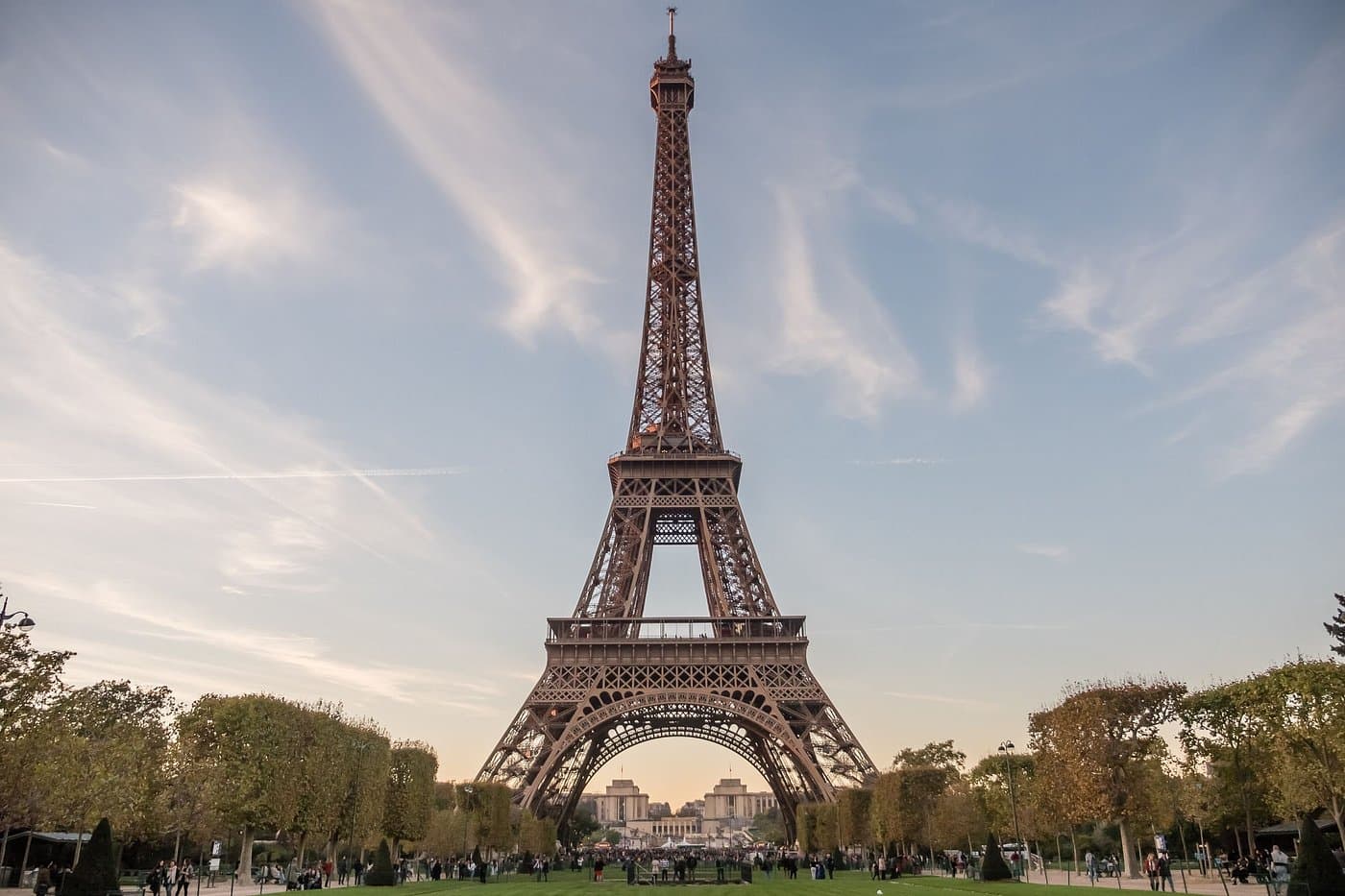
Paris remains the benchmark against which every other city is measured. The Eiffel Tower at golden hour, when the ironwork glows amber and the Seine curves below, is one of the world's most reliable moments of wonder. Spend a morning inside the Louvre — the Mona Lisa, the Venus de Milo, the Winged Victory — and another climbing Montmartre to Sacré-Cœur for the finest rooftop view of the city. The evening Seine cruise past Notre-Dame and the Musée d'Orsay earns its tourist-staple status completely.
The Eiffel Tower at dusk — one of those rare sights where the reality surpasses the photograph.
💡
Pro Tip: Pre-book timed entry to the Louvre and the Eiffel Tower summit — walk-up queues in peak season can be 2–3 hours. The Eiffel Tower's first-floor glass floor is open until midnight in summer and the light show runs every hour on the hour.
Switzerland — Alpine Scenery That Stops You Cold
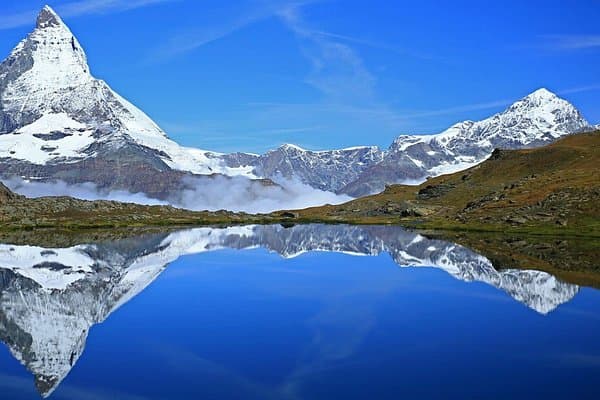
The journey from Paris to Switzerland is a full shift in register — city of light to world of ice. The Jungfraujoch, reached by the highest railway in Europe, sits at 3,454 metres and offers views across the Aletsch Glacier that are simply not available anywhere else. Mount Titlis above Engelberg adds a cable car across the cliffs. Interlaken, wedged between two lakes, is the base for paragliding, canyon swings, and river rafting if you want adrenaline to complement the scenery.
The Swiss Alps above Interlaken — every direction is a postcard. This one is real.
Rome — Where Every Street Is a History Lesson
Rome is one of those cities where the problem is not finding things to see but deciding what to skip. The Colosseum at dusk, when the crowds thin and the stone glows gold, is extraordinary — and the Roman Forum spreading below it is equally remarkable once you understand what you are looking at. Vatican City's Sistine Chapel ceiling is a work of such ambition and beauty that even the most art-weary traveller tends to stand in silence. Allow a full day for the Vatican; it is genuinely a half-day at minimum.
The Colosseum — 2,000 years old and still the most commanding structure in Rome.
Venice — The City That Defies Explanation
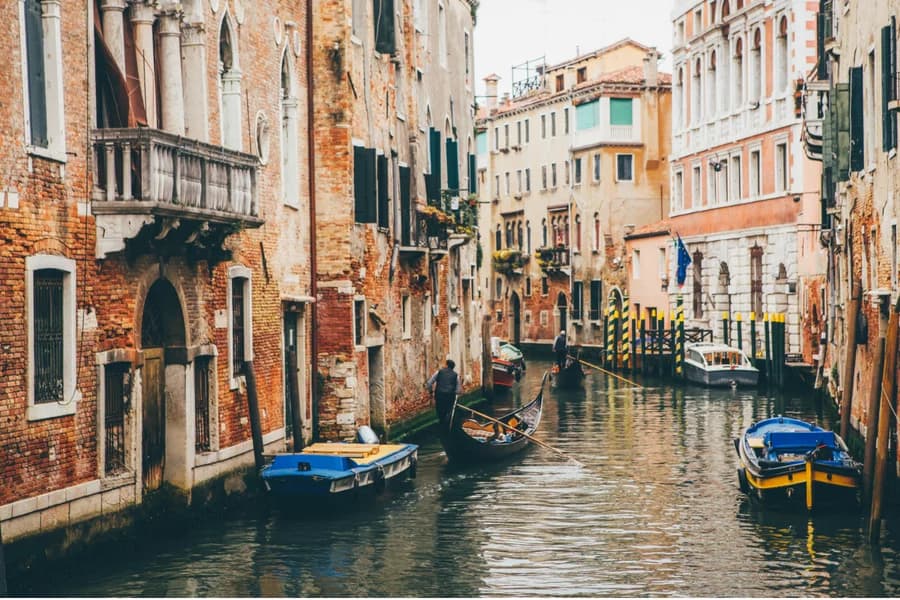
There is nothing to prepare you for Venice. You emerge from Santa Lucia station and the Grand Canal is simply there — wider and more beautiful than any photograph suggests — with water taxis, vaporetti, and gondolas crossing in every direction. St. Mark's Basilica and its golden mosaics, the Bridge of Sighs, a morning at the glass-blowing island of Murano, and a late afternoon at colourful Burano all combine into something genuinely unlike any other travel experience.
The Grand Canal at morning — before the day-trippers arrive and the light is still soft on the palazzo facades.
Planning a Europe Tour from India
Indian citizens need a Schengen Visa for most of mainland Europe — apply at least 3–4 weeks in advance through the relevant embassy or authorised centre. April to June and September to October are the best travel windows: pleasant weather, good light for photography, and cities that are busy but not impossibly so. A 12–14 day itinerary comfortably covers London–Paris–Amsterdam–Rome–Florence–Venice or can be reconfigured to include Switzerland, Barcelona, Prague, or Greece depending on your interests.